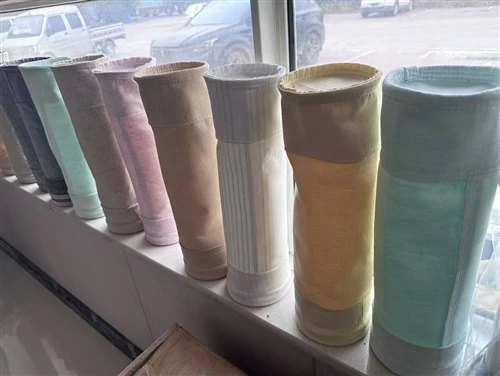
An old bag can be useful, provided its condition is recorded before it is folded into a parcel. When we discuss a dust collector filter bag replacement, the sample explains details that a short purchase description leaves out.
Start with the opening. Note how it sits in the tube sheet or attaches to the support. Then measure the body and finished length, and photograph the bottom construction. A worn sample may have stretched, so compare it with an earlier drawing if one is available.
Next, look at where the damage appears. Repeated marks near support points suggest a different investigation from a stiff surface. These observations do not establish a cause on their own. They help the maintenance team decide what to inspect inside the housing.
The operating record is equally valuable. Temperature, humidity, gas chemistry, dust properties, filtration velocity and cleaning method all influence material selection. At Hebei Bokun, we use those six inputs to discuss whether the existing construction remains appropriate.
Before ordering a dust collector filter bag, write down any changes in the process since the last purchase. A new raw material or a different cleaning setting can matter even when the collector looks unchanged. Keeping the sample, measurements and operating notes together gives the next maintenance team a clearer starting point when another replacement is needed.